
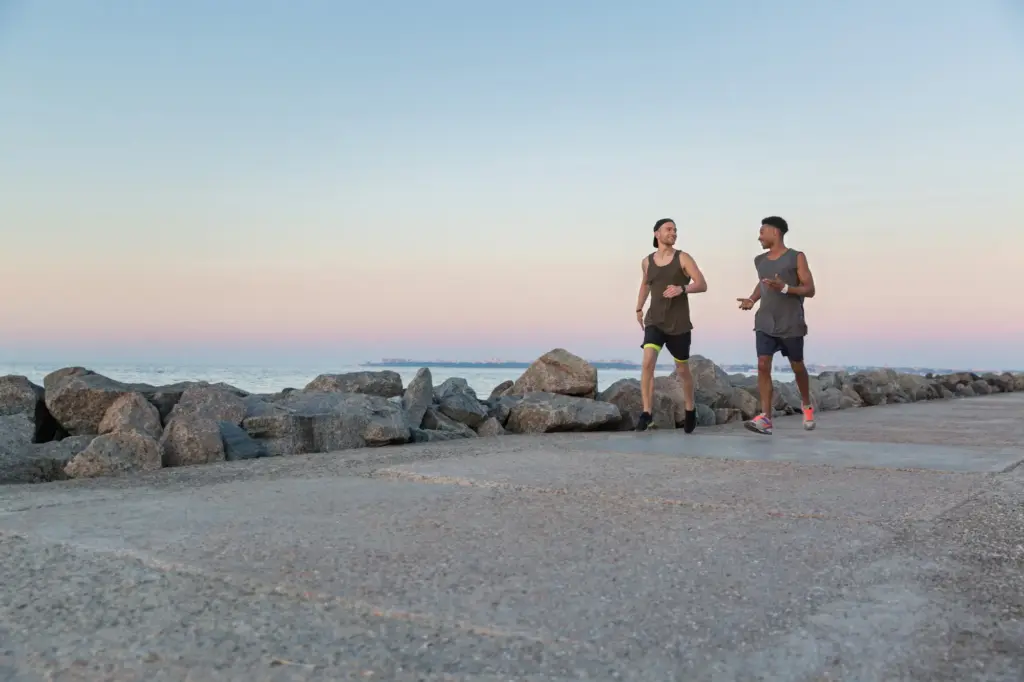
Where Waves Meet Stone: Spain’s Seafront Promenades
Origins Shaped by Trade Winds
Ancient Footings and Coastal Defenses
Moorish Water Wisdom and Garden Edges
Nineteenth-Century Passeos and Bourgeois Leisure
Material Stories in Salt and Sun
Urban Choreography along the Waterfront
Shade, Breeze, and Glare: Microclimate Engineering
Designers map wind roses and reflectance so strolls feel refreshing, not punishing. Pergolas frame breezes, misting archways cool overheated plazas, and palms deflect low sun. Porous paving reduces bounce glare, while seating niches tuck behind windbreaks, ensuring elders, toddlers, and marathoners each find comfort at different coastal hours.
Edges and Thresholds: From City Fabric to Sand
Transitions matter: curbs soften to tactile strips, dunes are hemmed with woven fences, and kiosks bridge daily needs with beach spontaneity. Showers, lockers, and lifesaving posts fold discreetly into pavilions. These thresholds invite everyone, translating urban clarity into barefoot wonder without sacrificing safety, dignity, or wayfinding cues.
Icons from Cádiz to San Sebastián
Atlantic Poise: La Concha and A Coruña’s Granite Spine
San Sebastián’s curve frames sheltered waters where Belle Époque railings meet surfing mornings. Far west, A Coruña’s boardwalk braces fierce gusts with stoic granite and glass galleries. Both display disciplined details—drainage, joints, and robust seating—that invite festival crowds yet withstand winters, preserving dignity through party, solitude, and storm.
Mediterranean Light: Barcelona, Valencia, and Palma
From Poblenou’s broad sands to Valencia’s marina curves and Palma’s palm-lined arc, Mediterranean promenades glow with luminous blues and playful tiles. Cafés spill onto steps, bike lanes thread palms, and public art sparks selfies and debate. Their generosity proves seaside infrastructure can double as daily living room and civic classroom.
Andalusian Cadences: Cádiz, Málaga, and Huelva
Gardens tumbling toward seawalls, bougainvillea flashes, and tiled viewpoints mark southern walks. In Málaga, port reconversions welcome families to sunsets once reserved for cargo; in Cádiz, limestone belvederes host violinists above fishing lines. These cadences mingle laughter, work, and salt prayer, writing kindness into every handrail and step.
Climate-Ready Heritage: Elevation, Porous Edges, Living Breakwaters
Caring for Craft: Restoration, Skills, and Stewardship
Participation that Matters: Neighbors, Fishers, Visitors, and Kids
The Evening Paseo: Social Choreography at Golden Hour
Stories in Steps: Anecdotes, Letters, and Family Albums
Join the Conversation: Share Memories, Photos, and Hopes
All Rights Reserved.